
Matatu Operators Paralyze Nairobi in Nationwide Strike Over Boda Boda Violence
A nationwide matatu strike on February 2, 2026, brought major parts of Nairobi to a standstill as operators protested persistent attacks and torching of vehicles allegedly by boda boda riders. The action exposed deepening tensions in Kenya’s transport sector and renewed calls for government intervention.
KENYA
Ke Press Global
2/2/20262 min read

Nationwide Strike Brings Transport to a Halt
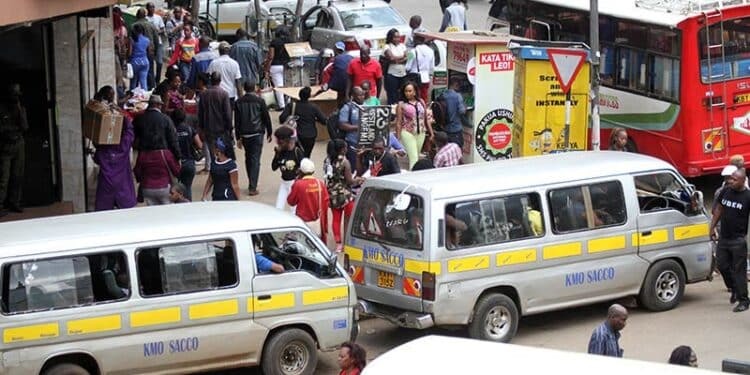
Matatu operators across Kenya launched a nationwide strike on February 2, 2026, severely disrupting public transport, especially in Nairobi. The strike led to widespread traffic chaos as operators blocked major roads, leaving thousands of commuters stranded and unable to reach workplaces, schools, and businesses.
Key arteries including Outering Road, Thika Road, and several routes within the Central Business District (CBD) were rendered impassable as matatus parked across roads in protest.
Why Matatu Operators Walked Out
The strike was primarily sparked by anger over repeated attacks on matatus and trucks, including incidents where vehicles were torched, allegedly by boda boda riders. Operators say they have suffered losses running into millions of shillings, with little to no action taken against those responsible.
Matatu owners and drivers accused the government and security agencies of failing to protect them or hold arsonists accountable, despite multiple reports and appeals. Rising insecurity and unresolved clashes between matatu crews and boda boda groups have further inflamed tensions.
Chaos in Nairobi’s CBD
Nairobi’s city center experienced some of the worst disruptions. Major junctions such as the Kariobangi Roundabout were completely blocked, bringing traffic to a standstill. Commuters were forced to walk long distances or seek alternative, often costly, transport options.
On Tom Mboya Street near the KTDA building, Forward Travellers Sacco operators led blockades, parking matatus across the road and preventing any vehicle movement. Businesses in the area were disrupted as deliveries stalled and foot traffic surged.
Confusion Over the Strike’s Scope
While the strike was widely felt, reports indicated confusion over whether it would be fully sustained. In the days leading up to February 2, some matatu stakeholders had held talks with authorities, resulting in temporary suspensions of planned industrial action.
Despite this, operations on the day remained heavily disrupted, suggesting that not all operators were aligned with the negotiations or satisfied with the outcomes of earlier discussions.
Pressure Mounts on Government
The strike has intensified pressure on the government to address insecurity within the transport sector and mediate between matatu operators and boda boda riders. Industry leaders warn that unless firm action is taken to curb violence and protect livelihoods, further disruptions could follow.
For commuters, the events of February 2 underscored the fragility of Kenya’s public transport system—and how quickly unresolved tensions can grind daily life in the capital to a halt.
Photo: Courtesy
MORE NEWS
© 2026. Ke Press Global. A Ke Harbor Company. All rights reserved.
FOLLOW KE PRESS GLOBAL ON :
Contact us