
U.S. Oil Imperialism in Venezuela: What Trump’s Intervention Means for Global Energy Markets
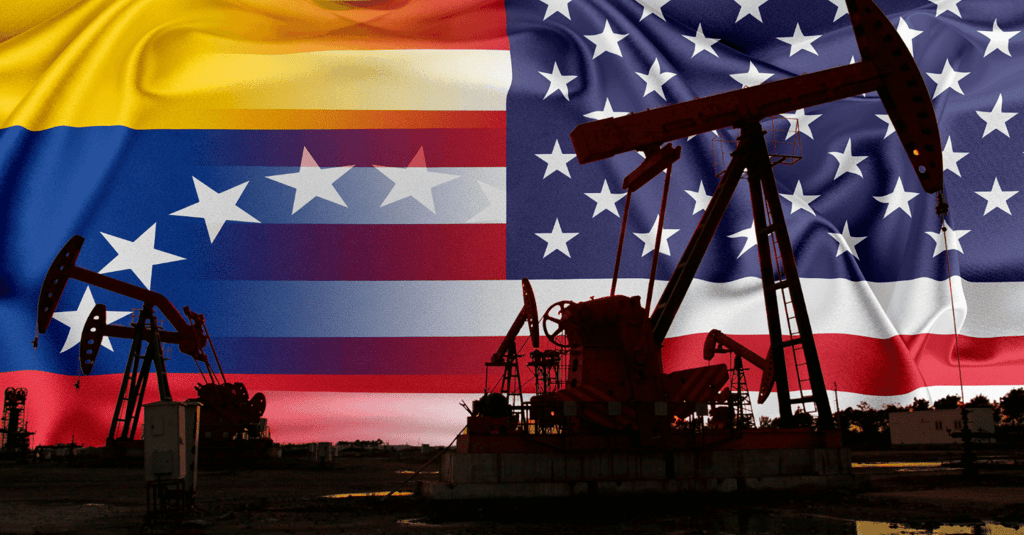
Following the U.S. attack on Venezuela, Washington’s renewed push into the country’s vast oil sector has reignited accusations of oil imperialism. While the Trump administration promotes American control of Venezuelan energy as “stabilization,” major oil executives—particularly at Exxon—are warning that the costs, risks, and instability may outweigh the benefits. The situation raises critical questions about whether Venezuelan oil will truly reshape global markets or simply add volatility without delivering new supply.
OPINION
Emmanuel Makome
2/5/20262 min read
Oil Security and National Power
Energy security sits at the core of a country’s economic stability. Oil fuels transportation, manufacturing, food production, and military logistics. When supplies are disrupted, inflation rises, currencies weaken, and political stability comes under strain.
Ukraine’s war showed how quickly energy shocks ripple across borders. European states that had relied heavily on Russian oil and gas were forced into emergency measures—rationing energy, subsidizing consumers, and scrambling for alternative suppliers in the Middle East, Africa, and the United States.
Sanctions, Markets, and the Limits of Control
Western sanctions on Russian oil aimed to reduce Moscow’s ability to finance the war, but they also exposed limits to U.S. and allied dominance over global markets. Russia redirected exports to Asia, particularly China and India, often at discounted prices.
This fragmentation of oil markets weakened the idea of a single, U.S.-led global energy order. Instead, parallel systems emerged—sanctioned and non-sanctioned trade flows—reducing Washington’s long-term leverage over energy-dependent states.
U.S. Dominance and Energy Strategy
For the United States, the war reinforced oil’s role in sustaining global influence. U.S. shale production helped stabilize markets, while American LNG exports became critical to Europe’s survival during the energy crisis.
However, the conflict also highlighted a contradiction: while the U.S. promotes energy transition and climate goals, it continues to rely on oil dominance as a geopolitical tool. Control over supply routes, production capacity, and pricing remains central to U.S. power projection.
The Global South and Energy Realignment
Many countries in Africa, Latin America, and Asia viewed the Ukraine war through a different lens. Rather than choosing sides, they prioritized affordable energy and national interest. This neutrality weakened Western efforts to isolate Russia and underscored how energy dependence shapes foreign policy choices.
The result has been a more multipolar energy world, where oil-producing states wield greater bargaining power and consumers seek diversification over alignment.
Lessons for the Future
The Ukraine war made one fact unavoidable: energy security is national security. States that fail to protect supply chains—whether through domestic production, strategic reserves, or diversified imports—risk economic and political instability.
For the U.S., maintaining global influence will increasingly depend on balancing three goals: securing oil supplies, managing alliances, and navigating a fragmented energy order where rivals and partners alike use oil as leverage.
Turning point
Russia’s invasion of Ukraine ended the illusion that oil had lost its geopolitical importance. Instead, it confirmed that energy remains one of the most powerful tools in global politics. As the world moves toward a more contested and multipolar system, oil security will continue to shape alliances, conflicts, and the future of U.S. dominance on the world stage.
Photo: Courtesy
MORE NEWS
© 2026. Ke Press Global. A Ke Harbor Company. All rights reserved.
FOLLOW KE PRESS GLOBAL ON :
Contact us